

There is a pattern that repeats itself reliably in home ownership. A system or appliance that has been running without attention for years suddenly fails at the worst possible time. The hot water system gives out on a cold morning. The air conditioning unit stops working on the hottest day of summer. The result is an emergency repair or urgent replacement carried out under time pressure, at full cost, with no opportunity to shop around or plan the expense.
This pattern is not bad luck. It is the predictable result of deferred maintenance, and it is almost entirely avoidable. Regular, professional servicing of home systems is not a cost. It is an investment that consistently delivers returns greater than its price in the form of avoided repairs, extended equipment lifespan, lower running costs, and the comfort of knowing that systems will perform when they are most needed.
The Economics of Preventive Maintenance
The financial case for regular servicing is straightforward once the full cost comparison is made honestly. An annual service for a residential air conditioning system costs a fraction of what a major component repair costs. A major component repair costs a fraction of what a full system replacement costs. And an unplanned replacement carried out urgently, without the ability to obtain multiple quotes or plan the expenditure, almost always costs more than a planned replacement would have.
The logic holds across every significant home system. Hot water systems serviced regularly last considerably longer than those ignored until failure. Electrical systems inspected periodically catch deteriorating components before they become dangerous faults. Plumbing maintained proactively avoids the burst pipes and blocked drainage that cause water damage far more expensive than any servicing cost.
When the math is done across the full life of a well-maintained home, the servicing costs are dwarfed by the repair and replacement costs they prevent. Regular maintenance is not an expense to be minimised. It is a strategy that reduces the total cost of home ownership over time.
Air Conditioning: Where Servicing Pays Off Most Clearly
Air conditioning is one of the clearest examples of where regular servicing delivers obvious, measurable returns. An air conditioning system that is serviced annually operates more efficiently than one that is not, which means lower electricity bills throughout the year. It is also more reliable, which means it performs when it is most needed rather than failing under peak load during the hottest periods.
The efficiency benefit alone is worth quantifying. A system with clogged filters and dirty coils can use significantly more electricity to achieve the same cooling output as a clean, properly maintained system. Over the course of a full cooling season, that efficiency loss translates into a real and measurable addition to the household electricity bill. In many cases, the cost of an annual service is recovered in energy savings within a single season.
For homes in climates where air conditioning carries a heavy seasonal load, the service schedule becomes particularly important. Systems that run hard through long summers without attention develop issues that more modest use cycles would not produce. Refrigerant levels drift. Fan components accumulate debris. Electrical contacts degrade. A professional service before the heavy season begins ensures the system enters its most demanding period in the best possible condition.
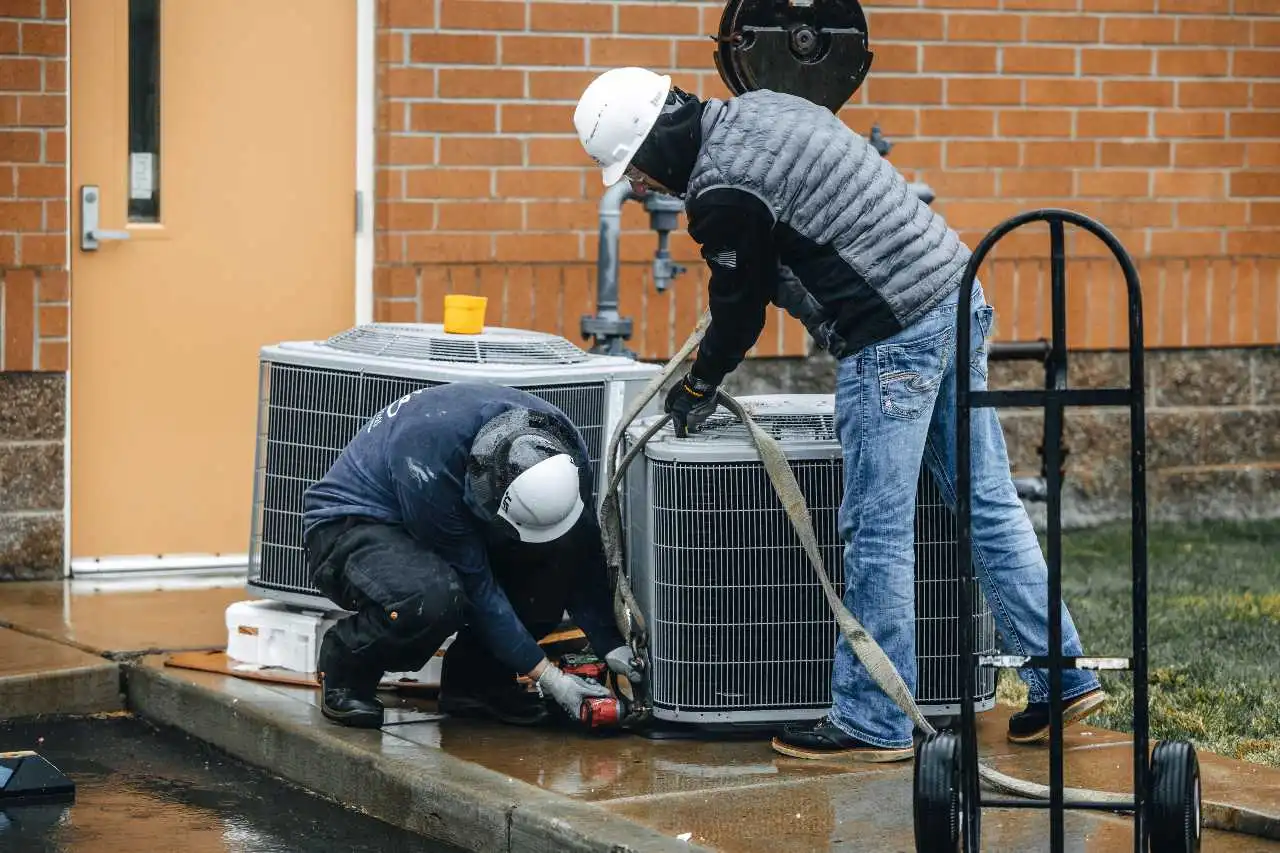
For residents who want confidence in their system ahead of summer, engaging a quality provider for air conditioning service Mandurah is one of the most practical steps a homeowner can take in the months before peak cooling demand arrives.
Extending Equipment Lifespan Through Consistent Care
Every significant home system has a designed operational lifespan that assumes reasonable maintenance. In practice, systems that are well maintained consistently exceed those lifespan expectations, and systems that are neglected consistently fall short of them.
A residential air conditioning system might have an expected lifespan of twelve to fifteen years under normal conditions. A system that receives annual servicing, with issues caught and addressed early, may comfortably exceed that lifespan. A system that operates for years without professional attention accumulates problems that accelerate component wear and can result in premature failure requiring replacement well before the designed lifespan has been reached.
The same principle applies to hot water systems, heating equipment, ventilation systems, and major appliances. Consistent professional care extends the period before replacement is necessary, which defers a significant capital expense and delivers better value from the original investment.
Air Quality as a Servicing Benefit
Home HVAC systems do not just control temperature. They circulate the air that the household breathes, and the condition of the system components that handle that air directly affects its quality. Filters that have not been changed accumulate dust, pet dander, pollen, and organic particulate matter. When the system runs, that material is reintroduced into the air rather than being captured. For households with allergy sufferers, young children, or anyone with respiratory sensitivity, the air quality impact of a neglected system is a genuine health consideration rather than just a comfort one.
Regular servicing that includes thorough filter cleaning or replacement and coil cleaning removes the accumulated material that drives this problem. A properly serviced system contributes to genuinely better indoor air quality rather than simply cycling and recirculating whatever has built up in its components over months of operation.
Warranty Compliance and Insurance
Many air conditioning manufacturers include a requirement for regular professional servicing as a condition of warranty validity. A system that has not been serviced according to the manufacturer’s recommended schedule may have warranty claims for component failures declined on the basis that the failure resulted from the lack of maintenance.
Similarly, home insurance policies often include conditions around maintenance of home systems. A claim related to a water damage event caused by a hot water system failure may be complicated if the system has not received any maintenance and was clearly operating outside its reasonable service life.
Regular, documented professional servicing provides a maintenance record that protects warranty claims and supports insurance positions in the event that coverage is required. The documentation itself has value beyond simply confirming that the work was done.
Building a Servicing Schedule That Works
The most common reason home systems do not receive regular maintenance is not unwillingness. It is the absence of a system for remembering and acting on the schedule. Creating a simple annual maintenance calendar that includes the servicing dates for each major home system removes the memory and initiative requirement from the process.
For each system, the calendar entry should include what needs to be done, who will do it, and approximately when. Air conditioning service in the month before peak season. Hot water system check annually. Electrical inspection on a three to five year cycle depending on the age of the property. Gutter cleaning twice yearly.
Once this calendar is created and becomes a routine part of how the household manages the property, the servicing happens without it ever becoming an urgent or complicated decision. It is simply part of the rhythm of responsible home ownership, and the financial and practical benefits accumulate year after year as a direct result.
Frequently Asked Questions
What is included in a professional air conditioning service? A thorough professional service includes filter cleaning or replacement, coil cleaning, refrigerant level check, inspection of electrical components and connections, fan and motor inspection, drainage check, and a full performance test with a report on system condition.
How do I know if my system needs servicing or replacement? If a system is running but not achieving set temperatures, making unusual noises, producing unpleasant odours, cycling frequently, or generating noticeably higher electricity bills, it needs professional assessment. The technician can advise whether servicing will restore performance or whether the system has reached the point where replacement delivers better value.
Can I service my own air conditioning system? Basic maintenance like cleaning or replacing accessible filters can be done by homeowners. Any work involving refrigerant, electrical components, or internal system access requires a licensed technician for safety and legal compliance reasons.
What is the best time of year to service an air conditioning system? Servicing in the shoulder seasons, spring before summer cooling season and autumn before winter heating season, ensures the system is in optimal condition before peak demand. It also avoids the peak demand period for technicians, which can make booking easier and more flexible.
Does a new system still need regular servicing? Yes. New systems benefit from servicing from the first year of operation. Early servicing also provides an opportunity to confirm that the installation is performing as designed and to address any minor commissioning issues before they develop into larger problems.