

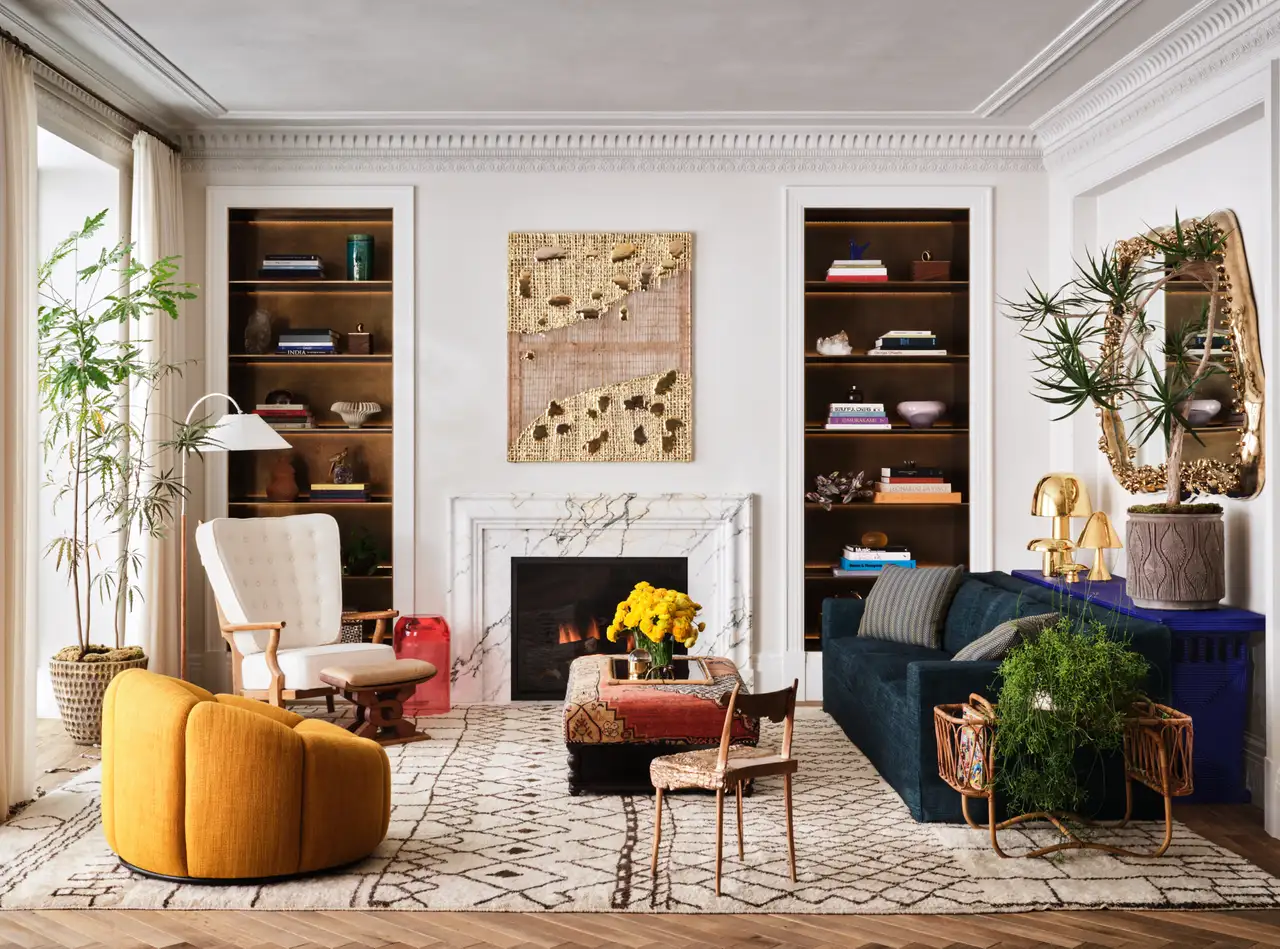
Interior design has never existed in isolation. The way people live, work, socialize, and relax directly shapes how homes are designed and decorated. As lifestyles evolve, decor trends adapt to reflect new priorities, values, and daily habits. From sustainability to remote work, today’s interiors tell a clear story about how modern life is changing.
The Connection Between Lifestyle and Interior Design
Lifestyle influences decor because homes are practical spaces before they are aesthetic ones. When routines shift, interiors must support new behaviors. A growing focus on wellness, flexibility, and personal expression has pushed decor beyond surface-level beauty into thoughtful, purpose-driven design.
Key lifestyle factors shaping decor trends include:
-
Work patterns (remote and hybrid work)
-
Environmental awareness
-
Health and well-being priorities
-
Technological integration
-
Changing family structures
Remote Work Redefining Home Interiors
The rise of work-from-home culture has permanently changed residential design. Homes are no longer just places to unwind; they also function as professional environments.
How this shows up in decor:
-
Dedicated home offices with ergonomic furniture
-
Multi-purpose rooms that adapt throughout the day
-
Calm, neutral color palettes to improve focus
-
Sound-absorbing materials like rugs and fabric panels
Designers now emphasize layouts that balance productivity and comfort without sacrificing style.
Sustainability Driving Material Choices
Eco-conscious living has become a defining lifestyle shift, and decor trends reflect this clearly. Homeowners increasingly favor materials and designs that minimize environmental impact.
Popular sustainable decor elements include:
-
Natural materials such as wood, bamboo, stone, and linen
-
Vintage and repurposed furniture
-
Low-VOC paints and finishes
-
Handmade and locally sourced decor pieces
Sustainability is no longer a niche preference; it has become a mainstream design expectation.
Wellness-Focused Living Spaces
Modern lifestyles place greater importance on mental and physical well-being, influencing how homes are styled and organized. Decor now supports relaxation, mindfulness, and emotional comfort.
Wellness-inspired decor trends:
-
Biophilic design with indoor plants and natural light
-
Soft textures and layered lighting
-
Clutter-free layouts that promote calm
-
Spaces designed for meditation, yoga, or quiet reflection
Homes are increasingly seen as sanctuaries rather than showcases.
Technology Shaping Modern Decor
Smart technology has blended seamlessly into home design, driven by convenience-focused lifestyles. Instead of standing out, technology is now subtly integrated into decor.
Examples include:
-
Hidden charging stations and cable management
-
Smart lighting systems with adjustable moods
-
Minimalist furniture designed to house tech discreetly
-
Voice-controlled systems influencing room layout
Decor trends now prioritize clean aesthetics that coexist with advanced functionality.
Smaller Homes and Flexible Living
Urban living and rising housing costs have influenced decor toward adaptability. Many people live in smaller spaces, leading to smarter design solutions.
Common decor responses include:
-
Multi-functional furniture such as sofa beds and extendable tables
-
Vertical storage solutions
-
Open layouts that maximize natural light
-
Neutral bases with bold accent pieces for personality
Flexibility is key, allowing spaces to change as lifestyles evolve.
Personal Expression Over Perfection
Today’s lifestyles value authenticity more than rigid design rules. Homes increasingly reflect individual stories, cultural backgrounds, and personal interests.
This shift is visible through:
-
Curated art and personal collections
-
Mixing modern decor with heirlooms
-
Bold colors and patterns used intentionally
-
Unique, imperfect finishes that add character
Decor is no longer about trends alone—it’s about identity.
The Future of Decor Trends
As lifestyles continue to evolve, decor trends will remain fluid. The future points toward interiors that are:
-
Adaptable to changing routines
-
Sustainable by default
-
Emotionally supportive
-
Technologically seamless
Homes will continue to mirror how people live, work, and care for themselves.
Frequently Asked Questions
How do lifestyle changes influence home decor trends?
Lifestyle changes affect how spaces are used, which influences furniture choices, layouts, materials, and overall design priorities.
Why is sustainability important in modern decor?
Sustainability aligns with eco-conscious lifestyles, reducing environmental impact while promoting healthier living spaces.
How has remote work impacted interior design?
Remote work has increased demand for home offices, flexible layouts, and decor that supports productivity and comfort.
What role does wellness play in decor trends?
Wellness-focused lifestyles encourage calming colors, natural elements, and clutter-free designs that support mental and physical health.
How does technology affect decor choices?
Modern decor integrates technology discreetly, emphasizing clean aesthetics while enhancing convenience and functionality.
Are minimal interiors a result of lifestyle changes?
Yes, minimalist decor reflects busy lifestyles that value simplicity, organization, and low-maintenance living.
Will decor trends continue to change with lifestyles?
Absolutely. As routines, values, and technologies evolve, decor trends will adapt to meet new living needs.