

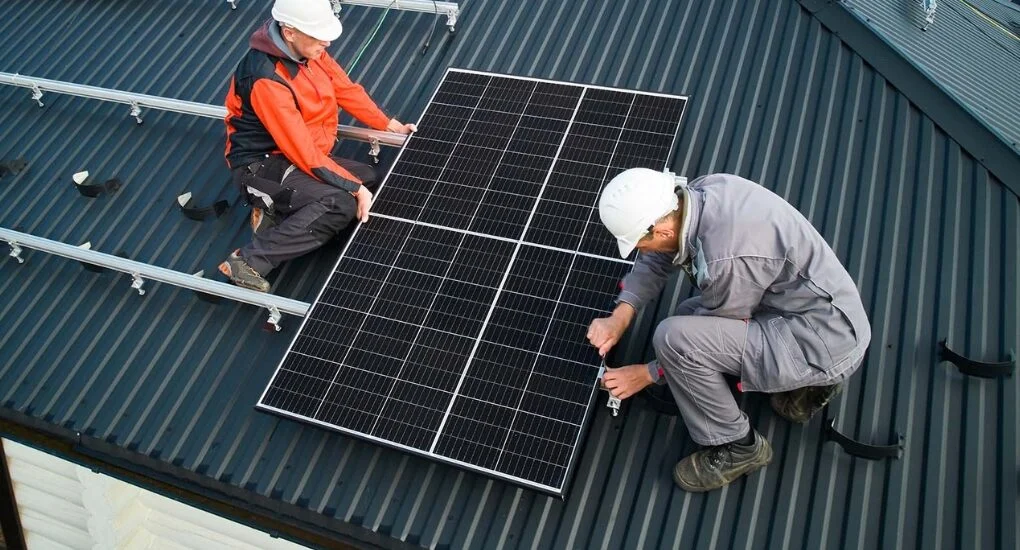
Rooftop solar is now a common sight across Thailand, from townhouses in Bangkok to family homes in Chiang Mai and Khon Kaen. Rising electricity tariffs and strong year-round sunshine make the numbers attractive. Your savings over 25 years, however, depend heavily on who installs your system.
A poorly installed array can lose output, leak during the rainy season or fail grid inspection. The best solar installers in Thailand reduce these risks. They follow local regulations, use certified equipment and stand behind their work long after the panels go up.
This guide explains how to compare the best solar installers for your home or business, which questions to ask and which warning signs to watch for.
Check Licences and Local Experience
Every grid-connected system in Thailand needs approval from the Metropolitan Electricity Authority (MEA) in Bangkok, Nonthaburi and Samut Prakan, or from the Provincial Electricity Authority (PEA) elsewhere. A reliable installer handles this paperwork and works with an engineer licensed by the Council of Engineers to sign off the design. Ask for the engineer’s licence number and examples of completed MEA or PEA applications.
Local experience also counts. Installers who know your area understand the permit process at the local administrative office.
Confirm Equipment Standards
Panels and inverters should meet Thai Industrial Standards (TIS) and relevant IEC standards. Inverters must appear on the approved list of the relevant electricity authority before connection. Ask for datasheets and check product warranties. Quality panels typically carry a 25-year performance warranty, while inverters usually come with 5 to 10 years of cover.
Plan for the Thai Climate
Heat, humidity and heavy monsoon rain test every installation. Panels lose efficiency as temperatures climb, so good installers leave space for airflow beneath the array. Roof fixings need proper sealing to prevent leaks between June and October. In coastal provinces such as Phuket, Chonburi or Songkhla, ask about corrosion-resistant mounting rails and bolts.
Compare Quotes Carefully
Request at least three written quotes. Each should list:
- System size in kilowatts peak (kWp)
- Brand and model of panels and inverter
- Estimated annual generation in kilowatt-hours
- Mounting system and roof work included
- Permit and grid connection fees
- Workmanship warranty period
A very low price often signals cheaper components or skipped steps. Compare the cost per kilowatt and the estimated payback period, not the total figure alone.
Ask About Aftercare
Solar systems need occasional attention. Dust, pollen and smoke from seasonal burning in the north can cut output. Ask how the installer monitors performance, how quickly they respond to faults and what cleaning services they offer. A workmanship warranty of at least 2 to 5 years shows confidence in the installation.
Size the System to Your Use
Thailand’s residential buy-back rate for surplus power sits well below the retail tariff, so using your own solar power delivers the most value. A good installer reviews your electricity bills and daytime usage, such as air conditioning, before recommending a size. Be cautious of anyone who pushes the largest possible system without this analysis.
Choosing an installer is a long-term decision. Check licences, confirm equipment standards, compare detailed quotes and ask about aftercare. These steps help your system deliver steady savings for decades.